What Is MOQ in Garment Manufacturing?
If you’ve ever talked to a clothing factory, you’ve probably come across the term “MOQ” pretty quickly. And if you’re new to sourcing, it can feel a bit confusing—or even frustrating.
Why do factories require it? Why do the numbers vary so much? And more importantly, how do you work around it if you’re not ready to order thousands of pieces?
Let’s break it down in a simple, practical way.
1. What Does MOQ Actually Mean?
MOQ stands for Minimum Order Quantity.
In plain terms, it’s the smallest number of units a manufacturer is willing to produce for a single order.

For example:
- MOQ = 100 pieces → you must order at least 100 units
- MOQ = 300 pieces per style → each design must meet that quantity
Some factories also set MOQ based on:
- Per color
- Per size range
- Per fabric type
So it’s always worth asking for clarification.
2. Why Do Garment Manufacturers Have MOQ?
From a buyer’s perspective, MOQ can feel like a barrier. But from a factory’s side, it’s about efficiency.
Here’s why it exists:
Production Setup Costs
Every new style requires setup:
- Pattern making
- Fabric cutting
- Machine adjustments
Producing 50 pieces costs almost the same setup effort as producing 500.
Fabric Sourcing Requirements
Fabric mills usually have their own minimums.
If a factory needs to order fabric, they may need:
- 100–300 meters minimum
- Sometimes more for custom colors
That directly impacts the factory’s MOQ.

Labor Efficiency
Factories are built for scale.
Running a production line for very small quantities:
- Slows down efficiency
- Increases cost per unit
That’s why smaller orders tend to be more expensive.
3. Typical MOQ in Sleepwear Manufacturing
MOQ varies depending on the product and supplier, but here’s a rough idea:
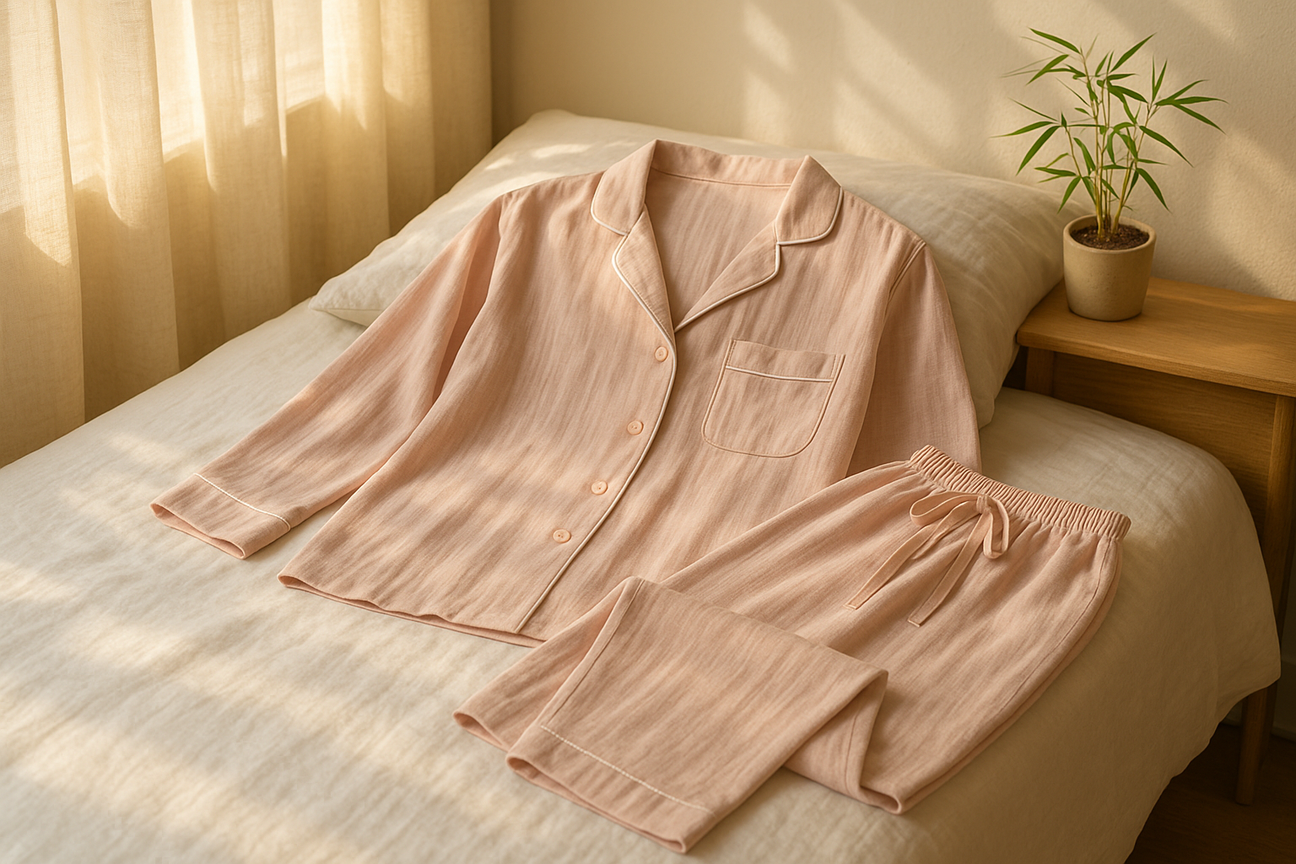
- Basic pajama sets → 100–300 pieces per style
- Custom designs → 200–500 pieces
- Private label with custom fabric → 300+ pieces
Some manufacturers offer lower MOQs for:
- Stock fabrics
- Ready-made design

4. MOQ vs Price: What’s the Relationship?
This is something many first-time buyers don’t realize:
👉 Lower MOQ = Higher Price per Unit
👉 Higher MOQ = Better Cost Efficiency
For example:
- 100 pieces → higher unit cost
- 500 pieces → lower unit cost
It’s a trade-off between:
- Cash flow
- Inventory risk
- Profit margin
5. How to Work With MOQ (Especially as a New Brand)
If you’re just starting out, MOQ can feel like the biggest hurdle. But there are practical ways around it.
Start With Fewer Styles
Instead of ordering 10 designs, focus on 2–3 strong ones and go deeper in quantity.
Use Stock Fabrics
Custom fabrics usually increase MOQ. Using available fabrics can lower it.
Choose Flexible Suppliers
Some manufacturers are open to:
- Lower trial orders
- Mixed sizes
- Gradual scaling
Test Before Scaling
Place a smaller order, test your market, then reorder your best-sellers.
This reduces the risk of overstock.
6. MOQ in Private Label Sleepwear

If you’re building your own brand, MOQ becomes even more important.
Private label usually includes:
- Custom labels
- Packaging
- Fabric selection
- Design adjustments
Because of this, MOQ is often slightly higher—but you gain:
- Brand identity
- Better margins
- Long-term scalability
7. What to Ask a Supplier About MOQ
Before placing an order, always clarify:
- Is MOQ per style or total order?
- Does it apply per color?
- Can sizes be mixed?
- Are there options for smaller test orders?
Clear answers upfront can save a lot of confusion later.
⭐ Why MOQ Flexibility Matters (And How Essence Garment Supports It)
For many brands, especially new ones, MOQ flexibility can make a big difference.
At Essence Garment, we understand that not every customer is ready to start with large volumes. That’s why we offer:
- Flexible MOQ starting from small batches
- Support for sampling and testing
- Scalable production as your business grows
With over 25 years of experience in sleepwear manufacturing, we’ve worked with startups as well as established brands like Cozy Earth, Little Pajama Co, Faceplant and Smart Bamboo...
Our factory is certified with OEKO-TEX® Standard 100, GOTS, GRS, and BSCI, ensuring quality, safety, and responsible production.
Whether you’re testing your first design or scaling up, we aim to make the process practical and manageable.
Final Thoughts
MOQ isn’t just a number—it’s part of how garment manufacturing works.
Once you understand why it exists and how to plan around it, it becomes much easier to manage your inventory, pricing, and growth.
Start small, choose wisely, and scale when the demand is there. That’s how most successful brands build their product lines over time.